In the commercial environment, electricity is not simply a utility; it is the backbone of operations. From powering production equipment and data systems to supporting lighting, security, and climate control, a reliable electrical infrastructure is essential to productivity and profitability. When that infrastructure fails unexpectedly, the consequences extend beyond inconvenience. Emergency Commercial Electrical Service repairs become critical interventions that protect revenue streams, safeguard employees and customers, and limit potential legal exposure. For business owners and facility managers, understanding how to respond to electrical emergencies strategically can significantly reduce downtime and liability.
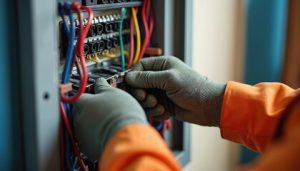
Electrical emergencies in commercial properties can arise from various sources, including equipment failure, overloaded circuits, weather-related damage, aging infrastructure, or improper modifications. Unlike residential systems, commercial electrical networks often operate at higher voltages and carry heavier loads. This complexity increases both the risk and the potential impact of system failures. A single malfunctioning panel or transformer can halt operations across an entire facility. Rapid response is therefore not merely desirable; it is operationally essential.
Downtime is one of the most immediate and measurable consequences of an electrical emergency. In retail settings, power outages disrupt point-of-sale systems and security equipment. In manufacturing environments, stalled machinery may lead to production delays and wasted materials. Office buildings may lose access to data networks and communication systems. The financial impact accumulates quickly, especially when interruptions extend beyond a few hours. Emergency commercial electrical repairs aim to restore functionality as swiftly and safely as possible, minimizing disruption to business continuity.
However, speed must never compromise safety. Electrical failures often present hazards such as exposed wiring, overheating equipment, or arc flash risks. These dangers pose serious threats to employees, customers, and repair personnel. Attempting temporary fixes without proper training can exacerbate the problem and increase liability exposure. Professional emergency electrical services prioritize both rapid response and adherence to established safety protocols. Technicians assess the situation methodically, isolate affected circuits, and implement corrective measures that stabilize the system without introducing additional risks.
Liability is a central concern in commercial electrical emergencies. Businesses have a legal obligation to maintain safe premises for employees and visitors. If an electrical malfunction results in injury, property damage, or fire, failure to demonstrate proper maintenance and prompt repair can lead to significant legal consequences. Documentation of inspections, maintenance schedules, and emergency repair actions becomes crucial in demonstrating due diligence. Investing in reliable commercial electrical services reduces the likelihood of negligence claims and supports compliance with regulatory standards.
Common triggers for emergency commercial electrical repairs often fall into two broad categories:
- Infrastructure-related failures, such as deteriorated wiring, faulty breakers, transformer issues, or panel malfunctions.
- External or environmental factors, including storms, power surges, flooding, or accidental equipment damage.
Understanding these categories allows facility managers to implement targeted preventive strategies. Infrastructure-related issues often develop gradually, while environmental events may cause sudden and severe disruptions.
Overloaded circuits are among the most frequent causes of commercial electrical emergencies. As businesses expand operations or introduce new equipment, electrical demand may exceed the system’s original design capacity. Warning signs include frequent breaker trips, flickering lights, overheating panels, or unusual buzzing sounds. Ignoring these indicators can lead to catastrophic failures or fire hazards. Proactive load assessments and panel upgrades are critical components of risk management. When emergencies do occur, electricians must quickly evaluate load distribution and rebalance circuits to prevent recurring failures.
Power surges represent another significant threat to commercial facilities. Surges can damage sensitive electronics, corrupt data systems, and shorten equipment lifespan. In industries reliant on servers, automated machinery, or digital payment systems, even brief voltage spikes can cause operational chaos. Emergency repair teams often assess not only the immediate damage but also the integrity of surge protection systems. Installing or upgrading whole-building surge protection helps prevent repeat incidents and strengthens overall electrical resilience.
Generator and backup power system failures also necessitate emergency intervention. Many commercial properties rely on standby generators to maintain essential operations during outages. When these systems fail, the business may lose critical services such as refrigeration, medical equipment operation, or security monitoring. Emergency commercial electrical repairs in such cases focus on restoring backup functionality while addressing the primary power disruption. Ensuring proper transfer switch operation and verifying fuel supply systems are part of comprehensive emergency response procedures.
Communication during an electrical emergency is equally important. Clear internal protocols help coordinate staff response, minimize panic, and maintain orderly evacuation if necessary. Facility managers should establish predefined steps that include shutting down non-essential equipment, contacting emergency electrical service providers, and documenting observed issues. Structured response plans reduce confusion and support faster resolution. Businesses without emergency action plans often experience longer recovery times and increased operational losses.
Preventive maintenance remains one of the most effective strategies for minimizing emergency repairs. Regular inspections identify deteriorating components before they fail. Thermal imaging can detect hotspots in panels, while routine testing ensures that breakers and protective devices function correctly. By scheduling periodic evaluations, businesses reduce the likelihood of sudden breakdowns. Preventive measures are particularly important in older facilities, where wiring systems may not align with current operational demands.
There are several proactive measures commercial property owners can implement to reduce both downtime and liability exposure:
- Conduct regular electrical audits to assess system capacity and compliance with updated safety standards.
- Install comprehensive surge protection and backup power solutions.
- Maintain clear documentation of inspections, repairs, and system upgrades.
- Train staff on emergency response protocols and hazard recognition.
These steps create a layered defense against electrical emergencies and demonstrate a commitment to safety and operational integrity.
Another critical aspect of emergency commercial electrical repairs is compliance with industry regulations and insurance requirements. Many insurers require evidence of routine maintenance and prompt corrective action following system failures. Failure to comply with these conditions may result in denied claims or increased premiums. By partnering with qualified electrical professionals, businesses ensure that repairs meet code requirements and are properly documented. Compliance not only reduces legal exposure but also supports smoother insurance processes in the event of damage claims.
The financial implications of electrical emergencies extend beyond immediate repair costs. Lost productivity, damaged inventory, reputational harm, and potential legal settlements can multiply total expenses. For example, a restaurant experiencing a prolonged outage may lose perishable goods and customer trust simultaneously. A data center suffering equipment damage may face contractual penalties. Emergency commercial electrical repairs, therefore, represent an investment in damage containment. Rapid restoration minimizes cascading losses and helps preserve business relationships.
Modern commercial facilities increasingly integrate advanced technologies such as automation systems, digital controls, and energy management platforms. While these innovations improve efficiency, they also increase system complexity. Troubleshooting interconnected systems requires specialized expertise. During emergencies, electricians must analyze not only physical wiring but also communication pathways and control interfaces. Coordinated diagnostic efforts ensure that repairs address root causes rather than superficial symptoms.
Environmental resilience is another consideration in emergency preparedness. Facilities located in regions prone to severe weather must implement reinforced electrical infrastructure. Weatherproof enclosures, elevated panels in flood-prone areas, and robust grounding systems enhance protection. Emergency repairs following storms often involve assessing water damage, replacing compromised components, and verifying insulation integrity. Investing in resilient infrastructure reduces vulnerability and shortens recovery times after environmental events.
Employee safety remains paramount during electrical disruptions. Arc flash incidents, in particular, present severe hazards in commercial settings due to higher voltage systems. Proper labeling of panels, use of personal protective equipment, and adherence to lockout/tagout procedures are essential during emergency repairs. Professional electricians are trained to manage these risks, ensuring that restoration efforts do not expose workers to preventable dangers.
Ultimately, minimizing downtime and liability during electrical emergencies requires a combination of preparation, rapid response, and professional expertise. Businesses that treat electrical infrastructure as a strategic asset rather than a background utility are better positioned to withstand unexpected disruptions. Investing in emergency commercial electrical repairs is not merely a reactive measure; it is a proactive commitment to operational continuity and safety.
In conclusion, emergency commercial electrical repairs play a critical role in protecting business operations from severe financial and legal consequences. Electrical failures can disrupt productivity, damage equipment, and create hazardous conditions. By implementing preventive maintenance programs, establishing clear response protocols, and engaging qualified professionals, commercial property owners can significantly reduce downtime and liability exposure. Electrical reliability is fundamental to business success, and prioritizing emergency preparedness ensures that when disruptions occur, recovery is swift, controlled, and compliant.