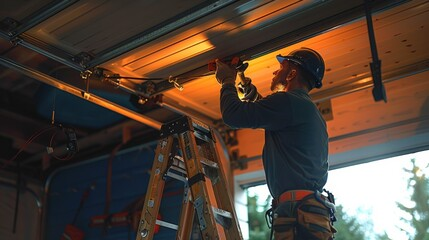
Handymen are usually self-employed and take on a jack-of-all-trades approach to tasks. They typically don’t need a license to work on jobs below a certain dollar amount, unlike contractors who need a specialized contractor license to oversee bigger projects.
Licensing, insurance, and bonding requirements vary by jurisdiction. This blog post will explore the primary differences between handymen and general contractors. For more information, contact Handyman Construction.
Cost-Effective
Handymen are an economical choice for small projects that don’t require specialized tools or permits. They can complete these tasks quickly and efficiently, helping homeowners avoid costly mistakes. In addition, handymen are typically more affordable than contractors because they charge by the hour or project rather than a flat contract fee.
However, a handyman business requires careful planning to remain profitable. To ensure profitability, handymen should use cost estimating software to calculate the estimated cost of each job. This helps to eliminate on-the-spot math and prevents unnecessary expenses such as travel time, equipment costs, and fuel usage. It also helps to eliminate hidden complications such as termite damage in drywall repairs. In addition, handymen can save money on overhead costs by hiring subcontractors for certain tasks, such as electrical and plumbing services.
Moreover, a handyman business should review their rates quarterly to account for increases in materials, labor, fuel, and insurance. Additionally, it is essential to communicate clearly with clients so that they can understand the reasoning behind your pricing decisions. This will prevent misunderstandings and disputes, which are often caused by miscommunication.
Many successful handyman businesses use a hybrid pricing model, combining flat rates for standard jobs with hourly rates for unpredictable or complex work. This allows them to protect their earnings while keeping customers happy. For example, they might charge a flat rate to install a kitchen faucet, and an hourly rate to repair it when needed.
Contractors are better suited to larger-scale renovations and can provide more comprehensive services than handymen. This includes project management, coordinating multiple tradespeople, and ensuring compliance with local building codes. Their extensive expertise and knowledge of construction techniques help them provide high-quality results, saving homeowners from costly mistakes. Moreover, they can offer a variety of key enhancements to a home, such as accessibility solutions, smart electronic systems, and energy efficiency.
A professional handyman must be able to communicate clearly with their clients, setting appropriate expectations and providing detailed estimates for each job. This will ensure a smooth, efficient, and stress-free experience for all parties. Additionally, handymen should be able to assess and identify potential issues, ensuring the best solution for the client’s needs.
Time-Saving
Handyman services are a valuable resource, allowing homeowners to save time and focus on other priorities. They can handle many repairs and installation projects, including fixing leaky faucets, patching drywall, and repairing broken fixtures. This frees up homeowners’ time to spend on other projects and family commitments. In addition, regular maintenance can help preserve and increase home value.
When working efficiently, handymen can complete tasks more quickly and ensure high-quality results. They should have a well-organized workspace and avoid wasted time by locating tools easily. Additionally, they should purchase materials ahead of time to avoid last-minute trips to the hardware store. Handymen should also have a clear plan of action for each project. This helps them manage time better and aligns their work with the client’s vision for the job.
Whether it’s a leaky faucet, faulty door lock, or flickering light fixture, emergency home repairs cannot always wait. Handymen’s quick response and problem-solving skills make them the ideal choice for urgent situations. Moreover, they can often resolve multiple issues at once and work around your schedule, minimizing disruptions.
In addition to providing professional expertise, Handyman Connection professionals provide a wide range of tools and equipment for all types of repair work. They also have access to a vast network of other resources, including online tutorials and workshops that can improve their skills. Furthermore, they can use apps like FieldPulse to track appointments and manage jobs. These apps can also assist with estimating, which saves time and increases accuracy.
Effective communication is essential to the success of any repair or construction project. Handymen should be accessible and communicate openly with clients to build trust and establish a clear understanding of the project scope. Furthermore, they should minimize disruptions by covering or moving fragile items during construction. This can protect the surfaces and furniture from damage and reduce stress during the repair process.
In addition to improving their own skills, handymen can also adopt technology to streamline processes and improve efficiency. For example, handymen can utilize tools that enable them to track their progress on a project, create estimates faster, and send invoices digitally. They can also use mobile apps to keep in touch with their clients and colleagues. These tools can save them a significant amount of time and money, and can greatly enhance their productivity.
Reliable
A premier handyman service carries out all scheduled services with precision and consistency, ensuring quality outcomes and client satisfaction. Responsiveness is also a common trait, as it reflects a willingness to address concerns quickly and efficiently. Client-centric practices, such as providing flexible appointment scheduling and accommodating emergency requests, further underscore the professionalism and reliability of a top-tier handyman service.
While homeowners can perform some small repairs and maintenance tasks on their own, bigger renovations require the expertise of a general contractor. Understanding the primary differences between Handymen and General Contractors facilitates informed decision-making, enabling individuals to select the right service for their needs.
The wide range of skillsets exhibited by professional Handymen substantiates their competence in numerous domains, from plumbing and electrical services to drywall repair and painting. The breadth of their skill set enables them to offer a comprehensive one-stop solution for clients, minimizing the need for multiple contractors and eliminating time-consuming research for specialists.
Additionally, a premier handyman service prioritizes the safety and security of their customers and employees. This is reflected in their compliance with all relevant safety codes and industry best practices, as well as their commitment to ongoing training and development within their respective fields of expertise. These attributes, along with their verification credentials and strong reputation, ensure that clients are confident in a top-tier service that delivers on its promises.
Lastly, a reliable handyman service provides clear pricing and contracts for all work performed. This ensures that the scope of the project is understood by both parties and reduces misunderstandings. This also enables a handyman to provide accurate estimates for future projects, ensuring that all costs are transparent and accounted for.
A reputable handyman service will be licensed, bonded, and insured to protect both the homeowner and the provider in the event of a job-related injury or property damage. Insurance coverage typically includes general liability insurance to cover any accidents or damages caused by the worker, as well as workers’ compensation to cover wages and medical expenses in the event of an on-the-job injury.
A dependable handyman should also provide written invoices for all services rendered, detailing all materials and labor costs. The invoice should include the business name and physical address, the total cost of the job, a breakdown of all parts and materials purchased, and warranty terms (if any). Additionally, the handyman should always return to the site upon completion of the work to inspect it for any issues that may need to be addressed.
Trustworthy
There’s no place like home, but when it needs repair, you need someone trustworthy to help. The right contractor can make all the difference in ensuring your property is in good hands. Whether you need a small job like fixing a leaky faucet or a major renovation, it’s essential to find the right person for the job. A reliable and experienced contractor will work hard to provide you with the best service at the most competitive rates.
Choosing between a handyman and a general contractor can be confusing for homeowners seeking professional services for their home improvement endeavors. While both are licensed professionals who undertake home improvement projects, there are several primary distinctions that set them apart. The differences include licensing, continuing education or special courses, and insurance. Handymen and contractors also differ in the scope of their work and expertise.
A handyman specializes in general repairs, maintenance tasks, and minor renovations. They often don’t need a license to perform their work as long as it doesn’t involve structural work and the projects are below a certain dollar amount. Unlike a handyman, a general contractor must have a license to carry out most construction work. They must also undergo a background check and obtain a contractor’s license, which requires more training and specialized skills.
Contractors can complete a variety of home improvement projects from drywall installation to a kitchen or bathroom remodel. They have more experience and expertise than a Handyman, which gives them a higher level of professionalism when undertaking these projects. They may also offer a project management service and hire subcontractors for specific trades to ensure the project is completed on time and up to standard.
When selecting a contractor, be sure to get at least three quotes and read reviews on HomeGuide and Google before making a decision. You should also ask about their work history and if they’re insured and bonded. A reputable contractor will be willing to provide you with a comprehensive breakdown of labor and material costs and a warranty on all their work.
